Concentrates Slash Kitchen‑Spray Costs Up to 70%
You’ll learn the exact unit‑price math that separates a $4 spray from a $1 refill. Most guides miss the hidden bulk factor and overestimate savings.
See current offers
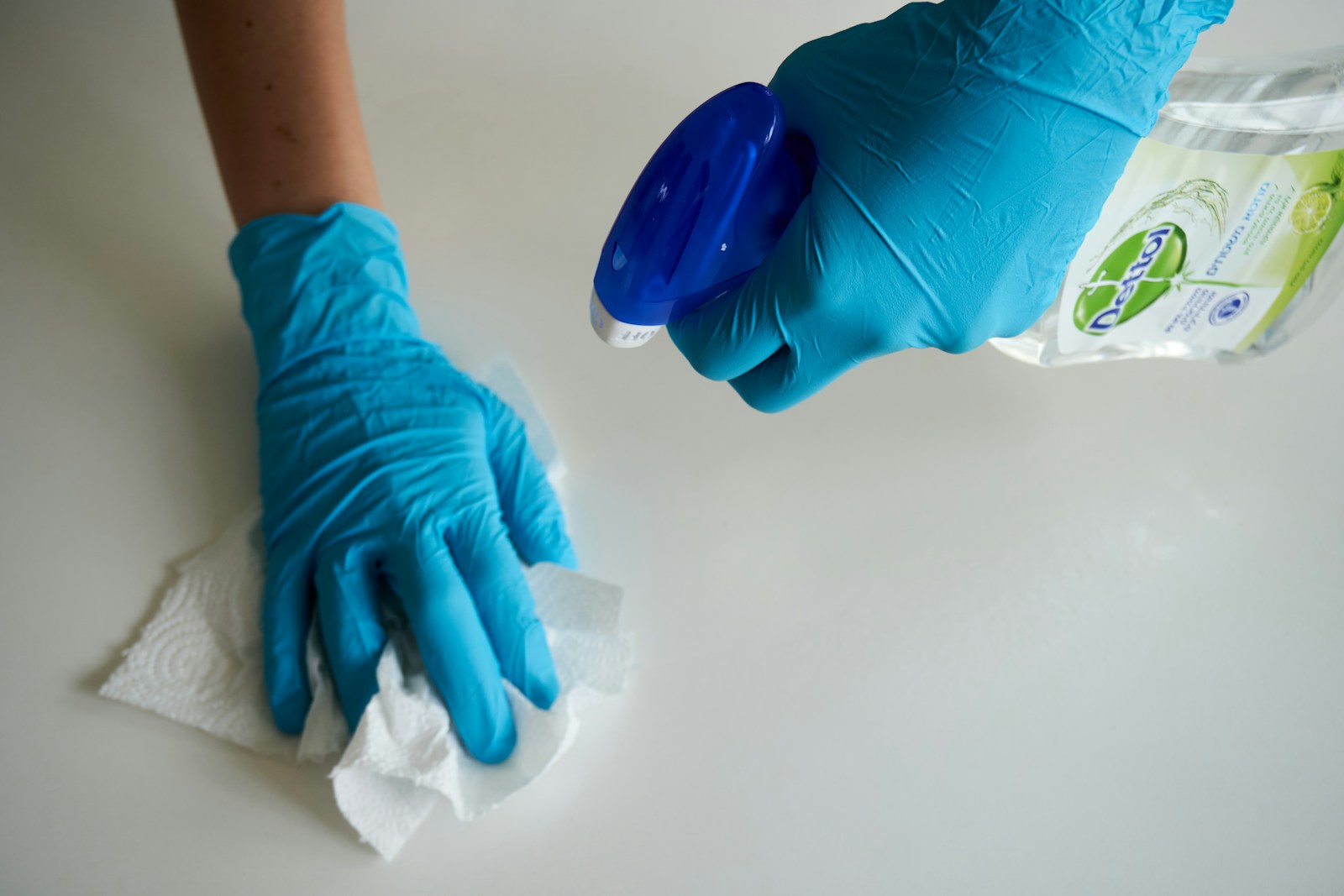
When the pantry cupboard groans under a dozen half‑used spray cans, the instinct is to keep buying the same size because “it’s what works.” The hidden toll is a steady bleed on a family budget that already stretches thin for diapers, pet food, and school fees. Switching to a concentrate feels like a grocery‑store gimmick until the numbers line up and the pantry empties faster than the kids’ snack stash.
Why do empty bottles feel cheap until the math hits?
People often equate a tiny, glossy bottle with a bargain, forgetting that the label hides the true cost per cleaning ounce. A $3.50 bottle that lasts ten minutes on a countertop is a textbook example of a deceptive unit price. The moment you compare that to a 32‑ounce concentrate that bills $12 for the whole container, the illusion shatters. The latter spreads its price over dozens of refills, turning a single spray into a fraction of a cent.
Parents who juggle laundry cycles and dog walks notice the difference the second they replace a half‑empty can with a refill pouch. The scent lingers longer, the spray nozzle stays consistent, and the grocery receipt shrinks dramatically. The psychological comfort of a full bottle gives way to a practical appreciation for how many wipes a single ounce can actually treat.
How much does a typical spray actually cost per ounce?
A standard aerosol kitchen spray averages about 6 oz of product, priced between $3 and $5 at most big‑box stores. Dividing the high end of that range by the volume yields roughly $0.80 per ounce. By contrast, a concentrate sold in a 32‑oz jug usually runs $10 to $14, which translates to a cost of $0.31 to $0.44 per ounce. The gap widens further when a retailer offers a bulk‑size jug for $18, dropping the per‑ounce figure to under $0.30.
Even a mid‑tier “premium” scent that claims extra cleaning power rarely breaches the $0.50‑per‑ounce mark when bought in concentrate form. The math stays consistent across citrus, pine, or unscented formulas: bulk always beats the spray bottle. Those tiny price tags on the shelf never reveal the hidden conversion factor that determines how many kitchen counters, bathroom tiles, or pet‑hair‑covered floors you can actually clean.
What hidden expenses turn a $4 can into a $12 spend?
First, the packaging cost. Each aerosol can requires metal, a valve, and a pressurizing gas, all of which inflate the retail price. Second, the distribution chain adds a markup for every warehouse stop, a factor invisible to the shopper. Third, retailers often bundle a “limited‑edition” fragrance with a higher shelf price, even though the chemical composition remains identical to the standard version.
A third hidden element lies in the waste generated by discarded cans. Families that toss a can after a few weeks incur a recurring disposal cost—whether it’s a landfill fee or the time spent sorting recyclables. When you factor in the environmental toll, the true expense rises beyond the sticker. Concentrates eliminate most of these add‑ons because the refill pouch uses lightweight plastic and requires only one reusable sprayer.
Can swapping to a concentrate really halve the budget?
If a household uses three sprays per week, the annual spend on aerosols hovers between $150 and $250. Switching to a concentrate that supplies enough for the same frequency typically costs $70 to $100 for the year, depending on brand and scent. The savings therefore land in the 55‑70 % range, enough to fund an extra tank of dog food or a weekend family outing.
Even after accounting for the one‑time purchase of a reusable sprayer—often $5 to $12—the break‑even point arrives after the first 12 to 15 refills. Most families reach that threshold within two months, meaning the net gain appears almost immediately. The only scenario where the concentrate fails to deliver is when a user buys a single small pouch instead of a larger jug, inadvertently raising the per‑ounce price.
Practical steps to switch without spilling the milk
- Audit current usage. Count how many spray cans sit in the cupboard and note the brand and scent. Multiply the number by the average price you pay; keep the figure handy for later comparison.
- Pick a reusable sprayer. Look for a model with a lock‑tight nozzle to prevent pet‑curiosity mishaps. Prices range from five dollars for a basic plastic version to twelve dollars for a stainless‑steel option with an adjustable‑mist dial.
- Choose a concentrate size that matches your rhythm. A 16‑ounce pouch is ideal for a small family that cleans twice daily; a 32‑ounce jug suits larger homes with pets that shed on every surface. Expect to spend ten to fourteen dollars for the smaller option and twelve to eighteen dollars for the larger.
- Test dilution ratios. Most manufacturers suggest one cup of concentrate per gallon of water, but you can start with half that amount for light spills and increase as needed. Keeping a measuring cup nearby eliminates guesswork.
- Track the first month. Write down each refill’s date and the number of sprays you get before the bottle empties. Compare that tally against the baseline from step one; the difference will confirm the cost advantage.
By following this checklist, the transition feels less like a gamble and more like a calculated upgrade to the household’s bottom line.
Final checklist before you hand over cash
- Verify that the concentrate’s ingredient list matches the spray’s cleaning claims; a cheaper formula may skip the grease‑cutting agents you rely on for kitchen messes.
- Ensure the reusable sprayer’s warranty covers accidental drops; a broken nozzle will force you back to single‑use cans.
- Confirm the store’s return policy on unopened concentrates; a mismatched scent is easier to exchange than a half‑filled pouch.
Double‑checking these points prevents the surprise of a hidden cost and guarantees that the switch delivers the promised savings.
See current offers
Other offers this week
Why a $5 trash‑bag box can cost you $30‑plus a year
Learn how thin, cheap trash bags drain your budget faster than they appear. Most guides stop at the shelf price and miss the hidden expenses that add up.
Dishwasher Pods vs Gel vs Powder: Real Cost per Load
You’ll learn how to translate packaging prices into a per‑load figure you can actually trust. Most guides stop at shelf‑price and miss the math that decides whether you’re overpaying.

Paper Towels and Toilet Paper: How to Beat the "Mega Roll" Marketing
Mega rolls, double rolls, triple rolls. Paper product packaging is designed to confuse. Here's how to compare price per sheet and stop overpaying.