Grab a Winter Coat for 50% Off—Shop the 2‑Week Clearance Window
You’ll discover the exact weeks when retailers slash winter coats by up to 50% and how to compare unit costs so you never overpay. Most guides focus on brand hype and miss the calendar patterns that drive real savings.
See current offers
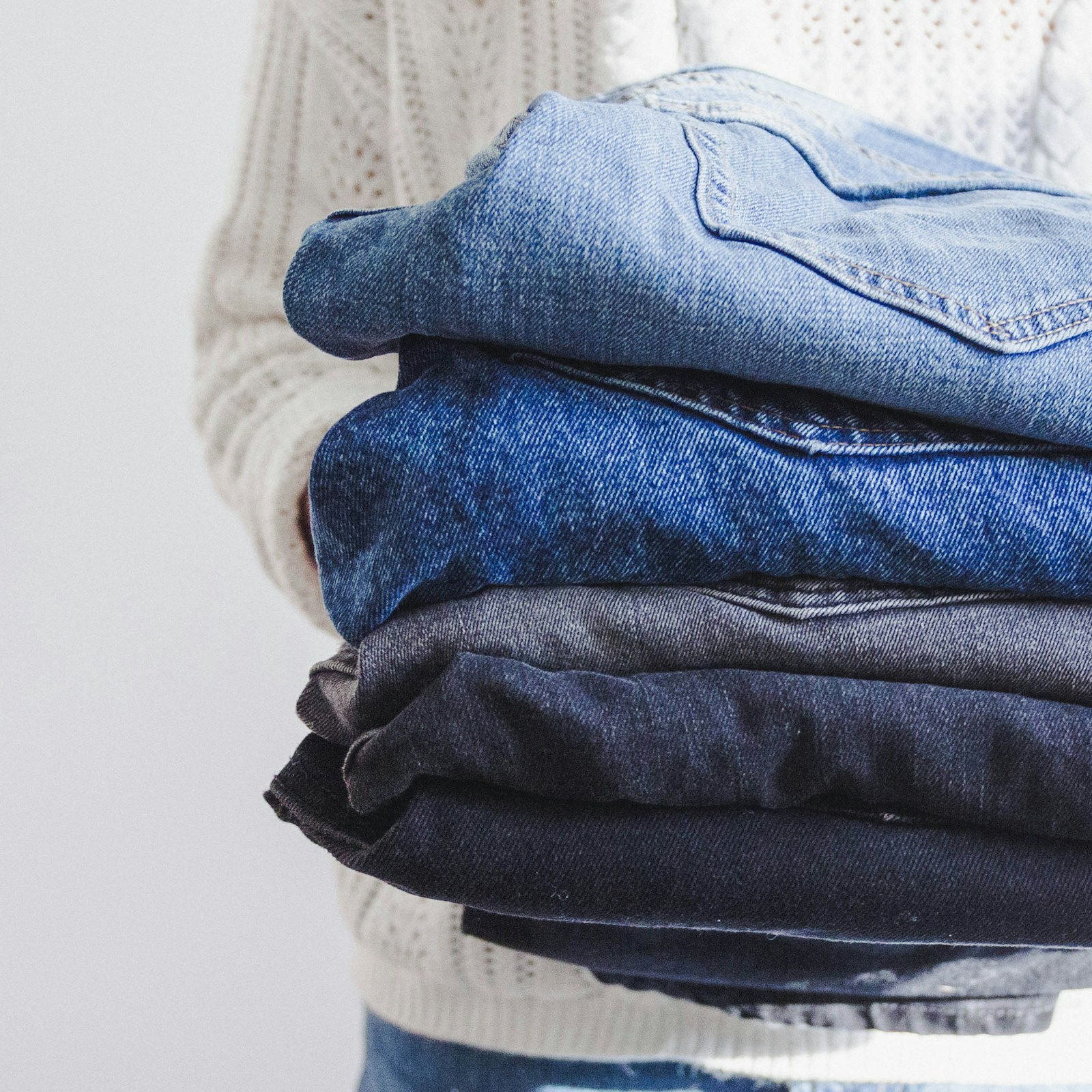
Every time the temperature drops, the kid’s closet fills with oversized parkas while the credit‑card balance climbs, and the only thing louder than the heating bill is the guilt of overpaying for a coat you’ll only wear a few weeks. Retail calendars hide a narrow window where the same down‑filled shell drops from $200‑$350 to under $120, but missing that slot means paying full price and watching the same item reappear next season at a higher tag. For a family juggling daycare fees, pet food, and a mortgage, that extra $150 per coat translates into a dent that shows up on the grocery receipt.
When does the 50% drop actually happen?
The first major slash arrives right after the December holidays, when stores dump last‑year styles to free shelf space for spring arrivals. During the week spanning New Year’s Day to the third Monday in January, many chains list coats at 45‑55% off the original tag. Waiting until mid‑February often pushes the clearance to 60% as inventory must move before the next winter shipment arrives. Mountain‑state retailers tend to extend the deep‑discount period into early March, hoping cold snaps will still drive foot traffic. Online marketplaces synchronize their markdowns with the same calendar, but they add a 2‑day lag while they recalibrate algorithms. A quick scan of the “clearance” filter on the retailer’s site on the first Monday after Presidents’ Day usually reveals the deepest cuts.
Why does unit cost matter more than the label?
A 300‑gram down coat priced at $180 delivers roughly $0.60 per gram, while a designer shell at $250 often offers only $0.40 per gram of fill. When the same model drops to $110, the per‑gram price plummets to $0.37, instantly outperforming most premium options. Calculating the cost per ounce of water‑resistance coating reveals a similar pattern; a $140 coat with a 10,000 mm rating costs $0.014 per mm, versus $0.025 for a $250 designer version. A three‑quarter‑length coat adds roughly 15% more material, so a $120 price tag actually equates to $100 for the same base silhouette. If the same style includes an internal fleece lining, add $10‑$15 to the unit cost calculation; otherwise the discount may be illusory. Pocket count follows the same math: each zippered pocket typically adds $5 to the overall value, so a $130 coat with four pockets is effectively $110 for the core shell.
Can outlet and warehouse clubs double‑down on clearance?
Outlet locations receive overstock directly from distribution centers, meaning the markdown ladder starts two steps lower than the flagship store. A coat that shows $150 on the main website may appear for $85 at the nearest outlet, effectively a 43% reduction. Because outlets often bundle accessories, you might walk out with a matching scarf for an extra $5, pushing the total unit price even lower. Warehouse clubs charge a membership fee, but the per‑item discount on a $250 coat can eclipse the fee after just two purchases. The trick is the “member‑only” flash sale that drops a coat to $115 for a single unit. If you already have a membership for groceries, the incremental cost of a coat becomes almost negligible.
Which extra fees turn a 50% deal into a break‑even purchase?
Free‑shipping thresholds often sit at $100, so a $115 coat will automatically add $7‑$12 for standard delivery unless you qualify for a promo code. Express options can spike the total to $20, which erases half of the advertised discount. When a retailer offers a “free‑return” policy, the reverse‑logistics fee is typically baked into the price, meaning the $120 tag already includes an estimated $5‑$8 return charge. Tailoring a coat to fit a growing child can cost $25‑$45 per sleeve, a line item that quickly neutralizes a $70 discount. Dry‑cleaning a down garment after the first season typically runs $30‑$45, so budgeting for a post‑sale cleaning is wise.
How can you secure a half‑price coat without chasing ghosts?
Mark the calendar for the first week of January, the second week of February, and the Monday after Presidents’ Day; those dates have historically produced the deepest markdowns. Set a phone alarm for 7 am on each of those mornings, because many stores release the new clearance batch before the doors officially open. Create a quick spreadsheet with columns for total price, gram of insulation, and millimeter rating, then compute price per unit for every coat you consider. Filter out any entry where the per‑gram cost exceeds $0.70, because cheaper insulation usually means comparable warmth at a lower spend. Visit the store early, try the coat on while wearing the usual layers, and note the arm clearance; a tight fit will require tailoring later. If the sleeves sit a half‑inch above the wrist, you’re already within the sweet spot that avoids costly alterations. Choose in‑store pickup whenever the clearance price is below $130, because the saved shipping fee usually outweighs the convenience premium. If you must order online, apply a known promo code for free standard shipping and add a $5 credit for the next grocery run if the retailer offers it. Set aside $15‑$20 in the household envelope for a possible dry‑cleaning session after the first season, and treat that as part of the true cost. If you have a loyalty card that earns points on apparel, redeem enough points to cover the $10‑$15 alteration cushion you might need later.
What final items should you verify at checkout?
Read the fine print on the receipt for the exact return window, because some stores shrink it to 14 days once the item is marked clearance. Confirm that the original tags are still attached; a missing tag can void the exchange privilege even if the coat is unworn. Ask the associate whether a price‑match guarantee applies to the clearance floor, because a lower online price posted the same day can shave an extra $10‑$20 off. Inspect the seam stitching for loose threads; repairing a seam later often costs $8‑$12, turning a bargain into a repair bill.
See current offers
Other offers this week
Why Buying Kids’ Clothes One Size Up Can Waste $200–$500
You’ll learn the exact moments a size jump protects the budget and the scenarios that turn it into a costly mistake. Most guides overlook growth speed and resale reality, leaving parents to overpay.
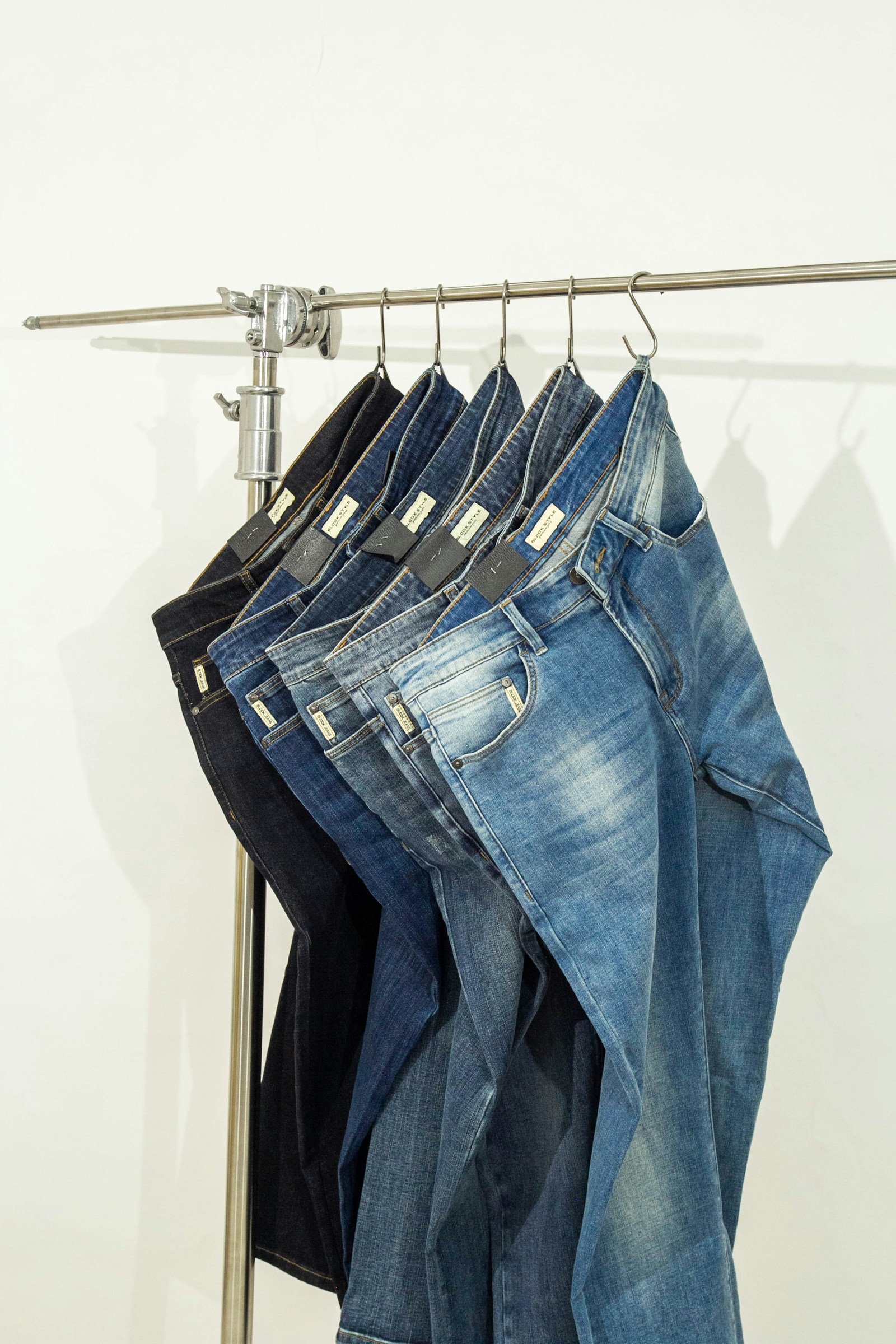
Cheap Jeans vs Expensive Jeans: Where Quality Actually Changes
A $25 pair of jeans and a $150 pair can look similar on the rack. Here's how fabric, stitching and fit affect durability, and where to find good value.
Everyday Sneakers Under $60 That Don't Fall Apart in Three Months
Cheap sneakers can be comfortable and durable, or a waste of money. Here's what to look for in an affordable everyday sneaker.